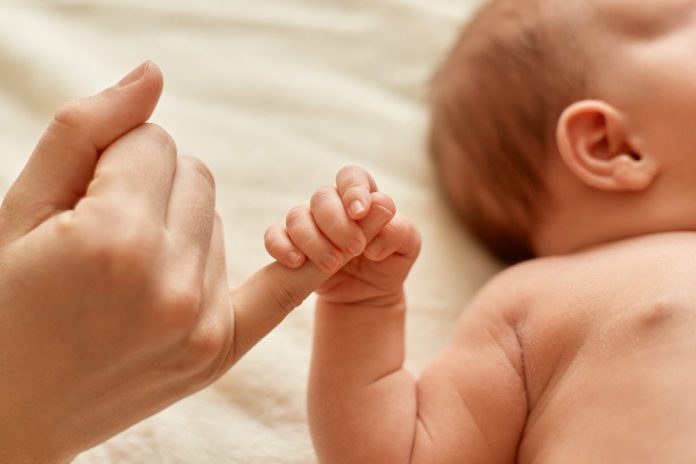
Image by user18526052 from Magnific.
The Demographic and Cultural Trade-offs of Self-Expression Values in Postmodern Societies
A key challenge in postmodern, post-industrial societies is the unintended erosion of demographic vitality and cultural cohesion that accompanies the rise of self-expression values. Ronald Inglehart’s modernization theory, developed with Christian Welzel, explains this dynamic through two major value shifts driven by rising existential security.
As societies advanced through the Renaissance’s humanist individualism, the Enlightenment’s emphasis on reason and personal rights, the Industrial Revolution’s material abundance, and the Information Age’s knowledge economy, they experienced profound improvements in living standards, health, and personal autonomy. These developments reduced the survival pressures that historically favored large families and strong in-group loyalty. Inglehart and Welzel show that once basic material needs are reliably met, societies move from survival values—focused on security, tradition, and conformity—to self-expression values that prioritize individual autonomy, self-realization, quality of life, and tolerance of diversity.
In the 21st century, this shift manifests clearly in fertility patterns. High-income, secular societies consistently record birth rates well below replacement level (often 1.3–1.8 children per woman). People delay or forgo parenthood to pursue education, careers, travel, and personal fulfillment—choices enabled and celebrated by self-expression values. While this reflects greater freedom, it creates long-term demographic pressures: aging populations, shrinking workforces, and strained welfare systems.
The same value orientation promotes high tolerance toward other cultural norms. Enlightenment-derived secular rationality and Information Age connectivity foster openness and multiculturalism. However, when combined with low fertility and large-scale immigration from societies holding traditional and survival-oriented values, this can strain the high-trust institutions and shared cultural values painstakingly built over centuries in Western societies—values emphasizing rule of law, reciprocity, and social cohesion. Rapid demographic and cultural change risks eroding the interpersonal trust and common identity that sustain those institutions.
Inglehart and Welzel frame these developments as part of human progress toward greater autonomy and democracy. Yet they also highlight the trade-off: societies that successfully achieve existential security and self-expression values must actively cultivate new mechanisms—family-support policies, cultural integration strategies, and renewed civic narratives—to preserve demographic sustainability and the social trust essential for continued flourishing in the 21st century.
Go to Cultural overtolerance.
References
Inglehart, R., & Welzel, C. (2005). Modernization, cultural change, and democracy: The human development sequence. Cambridge University Press.
Inglehart, R. (2018). Cultural evolution: People’s motivations are changing, and reshaping the world. Cambridge University Press.
Lesthaeghe, R. (2010). The unfolding story of the second demographic transition. Population and Development Review, 36(2), 211–251.
Putnam, R. D. (2007). E Pluribus Unum: Diversity and community in the twenty-first century. Scandinavian Political Studies, 30(2), 137–174.
World Values Survey. (n.d.). Findings and insights and The Inglehart-Welzel cultural map. https://www.worldvaluessurvey.org